Most of us don’t think about our hearing a lot…at least until something feels “off.”

  • People seem to mumble more in conversations.
  • Cranking the TV volume higher and higher.
  • Having a hard time hearing a friend across the table in a busy restaurant.

Hearing loss often develops so gradually that the early signs are very subtle. Regular hearing checks, whether comprehensive hearing tests or quick hearing screenings, play a crucial role in long-term health. Here’s how to decide which type of hearing check you need.

What a Hearing Screening Tells You—And What it Doesn’t

Many folks use the terms “hearing test” and “hearing screening” interchangeably, but they are not the same thing. The hearing checks serve two very different purposes. It’s important to understand what each one does, so you know if a basic online hearing screening is enough or if it’s time to schedule a complete hearing evaluation and audiogram.

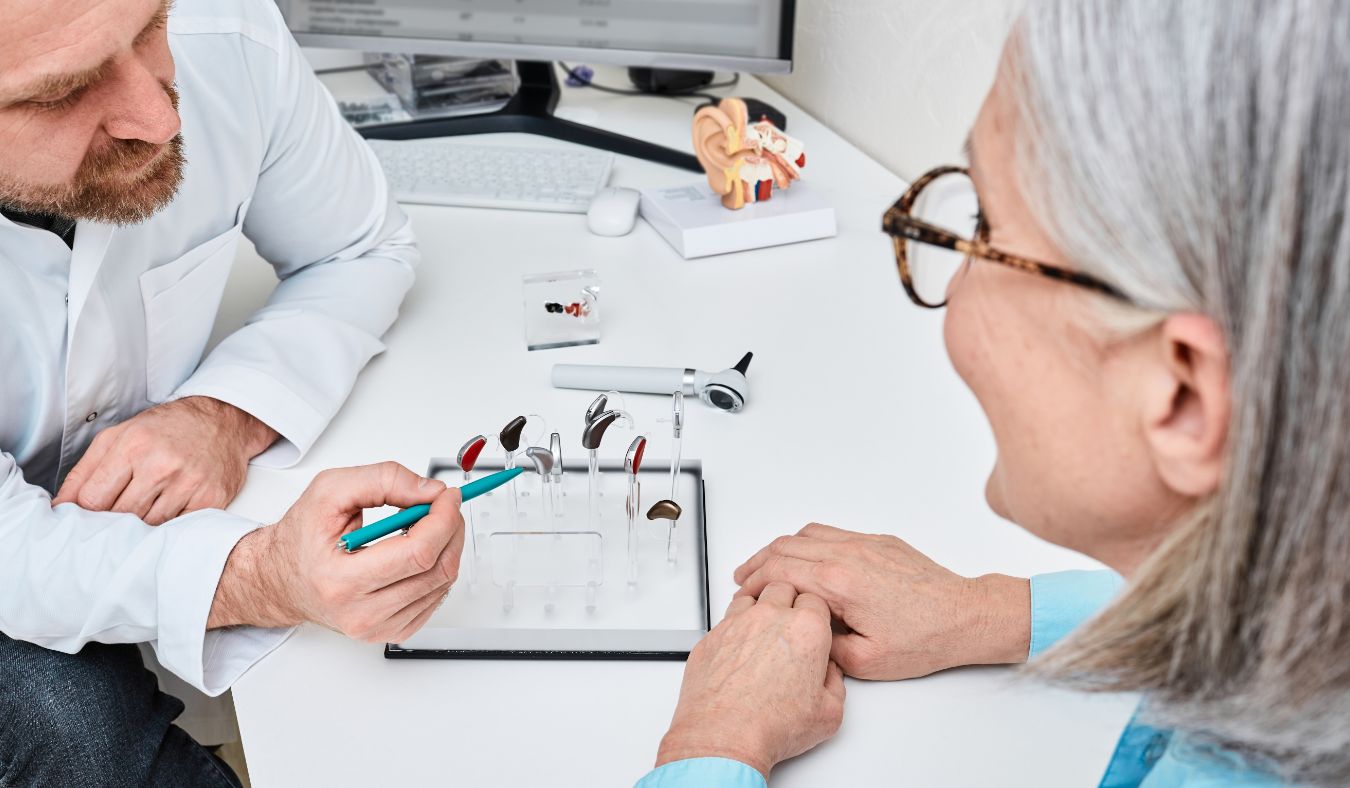
At Anne Arundel Audiology, every appointment is tailored to the individual. We use different tests to examine the outer ear, middle ear, and inner ear, as well as the auditory pathways that carry sounds from your ear canal to your brain.

The goal of our hearing exams isn’t just to establish a baseline of how well you’re hearing today. Rather, we look at the long-term picture of your hearing health and give you clear, actionable information to help you protect and preserve it.

A hearing screening is a quick and simple way to check if your hearing is within a “normal” range or if further testing is needed. You can find hearing screenings through lots of different sources. Some employers use the screenings to ensure compliance with OSHA safety guidelines. Pediatricians may use hearing screenings to check language development and speech. Similarly, new parents are likely familiar with the newborn hearing screening that confirms their baby is hearing soft tones in both ears.

Maybe you’ve seen and even tried an online hearing screening or a “free hearing test” at some point out of curiosity. Often, people seek them out when they notice minor changes (like that ever-creeping TV volume or asking folks to repeat themselves in conversation).

All hearing screenings are designed to answer one key question: Does this person need a complete hearing test and exam?

Hearing screenings tell us if there is a concern, but they don’t measure the degree of hearing loss, tell us where the auditory system change is occurring, or explain the type of hearing loss present. Hearing screenings generally just give a pass/fail result.

Not to say hearing screenings can’t be helpful. If someone feels unsure if they’re truly noticing a change in hearing, a hearing screening provides a low-pressure first step. Hearing screenings are also a very good way to monitor shifts over time, especially as we age or after exposure to loud environments.

The American Speech-Language-Hearing Association (ASHA) recommends periodic hearing screenings, especially when people feel they might be missing parts of a conversation or are experiencing tinnitus (a ringing, humming, or buzzing noise in the ears).

Hearing screenings are helpful but limited. They can’t pinpoint problems, measure clarity, or evaluate responses to different pitches. They’re a fine way to start your hearing health journey, but if you have any deeper concerns, a full, diagnostic hearing evaluation is essential to your health and well-being.

What a Full Hearing Test Provides

A diagnostic hearing test is sometimes called a hearing evaluation, hearing examination, hearing assessment, or audiology exam. These tests are far more detailed.

When people picture sitting in a sound booth, raising a hand in response to beeps, they’re thinking of a hearing evaluation. Today’s hearing evaluations go deeper than listening for beeps, though. A modern audiology test is much more comprehensive and can paint a full picture of your hearing health, especially when performed by a licensed audiologist.

A full hearing test allows your audiologist to evaluate your entire auditory system: the ear canal, outer ear, eardrum, and middle ear, the cochlea and inner ear, and the nerves that take sounds to your brain. These tests don’t just tell you a pass/fail or yes/no answer on hearing loss. They go deeper to help us determine why the issue occurs. It could be fluid in the middle ear, damage to the inner-ear cells, or something involving the auditory nerve.

Fortunately, for such a comprehensive test, the process isn’t invasive or painful. A hearing appointment typically starts with a conversation about your medical and health history, symptoms, lifestyle, and any changes you’ve noticed in your hearing. After that, the audiologist will select the specific hearing tests that will give them the clearest picture of your unique hearing health.

One of the most well-known hearing tests is the pure-tone audiometry test. During the test, you listen for tones and different pitches and volumes. It measures how softly you can hear across the speech range and uses that data to create your audiogram, a chart that shows your thresholds.

Many folks are surprised to discover that hearing loss isn’t just an issue of volume. It often begins with a strain to hear higher pitches, making speech sound unclear and less crisp, even when it isn’t technically quiet.

Your audiologist may also conduct a speech audiometry test, which measures how well you understand everyday words and sentences. It’s entirely possible to hear speech but to struggle to make out the words. Speech audiometry helps explain why and how this occurs.

For the middle ear, audiologists often use tympanometry, a test of the eardrum’s movement. This test can help uncover issues like fluid, Eustachian tube dysfunction, or infections. Middle ear issues can cause temporary hearing loss, but many are fully treatable when the underlying issues are addressed.

Other hearing tests examine the inner ear itself. Otoacoustic emissions (OAE) testing measures the tiny sounds created by the hair cells in the cochlea. These emissions disappear when there is damage to the inner ear. OAE tests are particularly useful for young children and individuals who can’t respond to behavior tests.

If your audiologist needs more information about how sound travels along your auditory nerve, they might recommend an auditory brainstem response (ABR) test. This test sounds a little intimidating, but it’s really just a painless way to measure how sound signals travel from the ear to the brain stem. It’s most commonly used in newborns, patients with asymmetrical (one-sided) hearing loss, or when neurological factors are suspected.

These hearing tests can all be part of a hearing exam process. When an audiologist conducts the right combination of hearing tests, they get a very detailed overview of your auditory system. This can help identify the degree of hearing loss (mild, moderate, severe, or profound) and help your specialist recommend the best treatment options, whether it’s hearing aids, medical care, or follow-up monitoring.

When a Hearing Screening Is Enough (And When it Isn’t)

So, which type of hearing evaluation do you need? A hearing screening or a hearing test? The answer depends on your symptoms and situation.

A simple hearing screening may be enough to give you a quick snapshot of your hearing health. It can also be part of a school or workplace requirement. Screenings are a good first step if you’ve noticed or suspect changes and want reassurance or confirmation. A free online hearing test offers some insight, but the results should always be considered preliminary.

If you’ve noticed muffled speech, ringing, mumbling, and missed messages, the best option is a complete hearing evaluation and exam. It’s especially important to get a hearing test if hearing loss seems to affect only one ear, includes balance issues, or is accompanied by frequent ear infections and pain.

A diagnostic evaluation will show the audiologist where the issue is coming from and help them guide you on your next steps. It also offers a baseline, which is helpful as we age. Many adults don’t realize how useful it is to have an audiogram before hearing loss occurs. This gives your audiologist a benchmark for future comparisons and helps them monitor changes in your hearing over time.

If you’re unsure where to get a hearing test or how long it takes, reach out to our staff to discuss it. At Anne Arundel Audiology, most diagnostic appointments with hearing tests take about an hour, but that short time can really lead to meaningful guidance to help you live better.

Hearing loss contributes to many aging-related concerns like increased fall risk, dementia, and even a shortened life span. Your ears and hearing are critical to your overall health, and protecting them can often offer life-changing results.

Hearing loss, whether mild or severe, doesn’t need to limit your communication, relationships, or quality of life. Today’s hearing aids and assistive hearing technology are discreet, advanced, and very user-friendly. For many folks, just gaining an understanding of what’s going on in their auditory system is reassuring and helpful.

Don’t wait for symptoms to become disruptive. If you’re ready to check your hearing, Anne Arundale Audiology is here to help. If you’re wondering where to get a hearing test or whether a hearing screening is enough, we can help you navigate to the best option for your needs and keep you living (and hearing) life to the fullest.