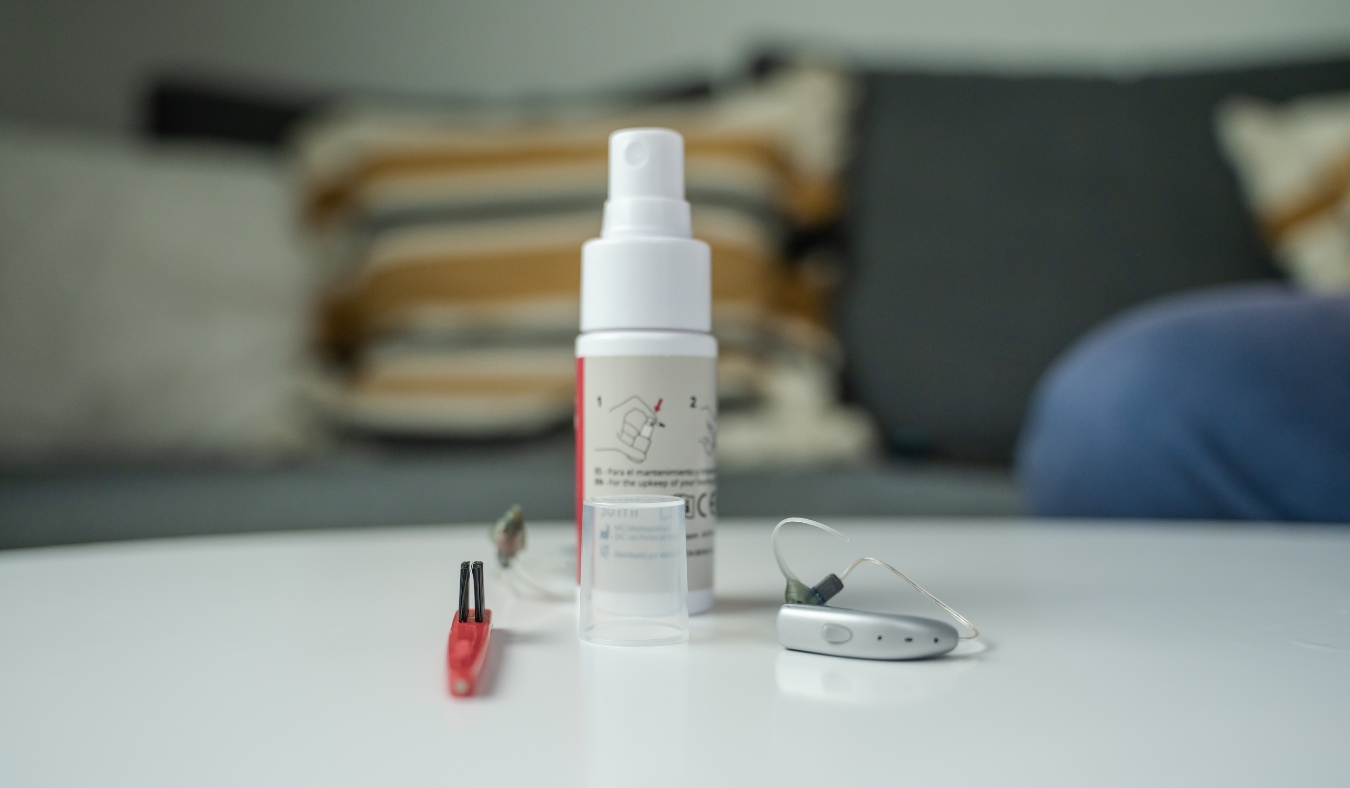
How to Clean Hearing Aids (Without Damaging Them)
Today’s hearing aids are sophisticated electronic devices, made to

By: admin | January 19, 2026
When you notice changes in your hearing, one of the first questions that comes to mind is whether it can be fixed. The answer depends on what’s causing the hearing loss in the first place.
Some types happen because of temporary issues like ear infections, wax buildup or fluid behind the eardrum, and these can often be treated through professional hearing care services. Other types result from permanent damage to the inner ear structures, and while they can’t be reversed, they can be managed effectively with the right support.
The reason this distinction is worth knowing early is that it affects how you approach your daily life.
If you’re constantly asking people to repeat themselves, turning up the TV volume or feeling left out of group conversations, you deserve to know whether those challenges can be resolved or whether you need to explore other solutions.
Finding out what’s actually happening with your hearing gives you the information you need to move forward, whether that means hearing technology, medical treatment or simply knowing what to expect as you manage your hearing health going forward.
Hearing loss can affect people in very different ways, and noticing changes early can help you take action. Some people may have trouble hearing high-pitched sounds, while others find it difficult to follow conversations in noisy environments.
Recognizing the type of hearing loss you have can make it easier to address it and find solutions that fit your daily life.
The inner ear and auditory nerve are often involved when hearing loss develops gradually over time. Sensorineural hearing loss occurs when the tiny hair cells in these areas are damaged.
This type of hearing loss usually affects one or both ears and is generally permanent, but treatments such as hearing aids or other devices can make it easier to hear clearly and participate in conversations, music and everyday sounds.
Problems with sound transmission in the outer or middle ear can also cause hearing challenges. Conductive hearing loss happens when sound waves cannot pass efficiently through these parts of the ear.
Blockages, fluid buildup or damage to the ear structures may cause this type of hearing loss, which is often temporary or treatable.
People with conductive loss may notice that sounds seem muffled or quieter than usual, and amplification or medical care can often improve hearing while the underlying issue is addressed.
Sometimes, both types occur together, which is called mixed hearing loss. In these cases, the nerve-related challenges of sensorineural loss combine with the sound-blocking issues of conductive loss.
Hearing loss happens for several common reasons. One of the most frequent is aging. Over time, the tiny parts inside your ear, including the delicate hair cells in the inner ear, can wear down or become less sensitive, making it harder to hear certain frequencies, especially higher-pitched sounds.
Regular exposure to loud noises can also cause long-term damage. This includes music at concerts or through headphones, power tools or other loud environments. Even short bursts of very loud sound can add up over time, gradually affecting your ability to hear clearly.
Other causes can be more temporary but still disruptive. Ear infections or a buildup of earwax can block sound from reaching the inner ear, creating a feeling of muffled hearing.
Certain medications, such as some antibiotics or chemotherapy drugs, may have side effects that affect hearing.
Health conditions like diabetes or high blood pressure can also impact blood flow to the inner ear, which can influence hearing over time.
Temporary hearing loss often comes from issues like earwax buildup, fluid from an ear infection or sudden exposure to very loud noise. This type of hearing loss usually improves once the underlying cause is treated, such as removing the blockage or allowing the ear to heal.
Even though it is temporary, it can still make everyday activities like following conversations or listening to music more challenging, so addressing it promptly is important.
Lasting hearing loss, on the other hand, is often caused by damage to the inner ear or age-related changes in the auditory system. This type is usually permanent and may not improve on its own. The severity and progression can vary from person to person, which is why seeing an audiologist for a hearing test is so valuable.
Testing can give a clear picture of your hearing, show what frequencies are affected and help you explore strategies and devices that make listening easier and more comfortable in daily life.
Sometimes, hearing can get better on its own. If your ears are blocked by water after swimming or by a mild cold, your hearing may return to normal once the blockage clears. Allergies or minor swelling in the ear canal can also cause temporary changes that often resolve without special care.
If hearing loss lasts longer than a few days or is linked with pain, it is important to learn about other possible causes and seek guidance on your options.
Medical treatments may help restore some hearing, depending on the cause and type of hearing loss. These options work best when hearing loss is due to specific medical issues.
Some treatments include removing earwax or foreign objects from the ear canal, treating ear infections with medicine, surgery for problems like a hole in the eardrum or abnormal bone growth and certain medicines for sudden hearing loss caused by inflammation.
Each option has its own risks and benefits. Not every type of hearing loss can be improved with medical treatment, especially if it involves damage to the inner ear or nerves.
As you age, changes in hearing are common and often develop slowly. The tiny hair cells inside the inner ear become less effective over time, making it harder to pick up certain sounds.
This process is called age-related hearing loss and usually affects both ears equally. High-pitched sounds or understanding speech in noisy places may become more difficult as these changes take place.
Earwax protects and cleans your ears, but sometimes it builds up and blocks the ear canal. When this happens, sounds may seem muffled or quieter, making it harder to hear clearly.
Blockages from earwax or other objects are common reasons for temporary changes in hearing. Once the blockage is removed safely, hearing often returns to normal right away. Understanding this helps you recognize why sudden changes might happen and when they could be temporary.
Ear infections, such as middle ear infections or swimmer’s ear, can cause sudden changes in how well you hear. These infections may make sounds seem muffled or harder to understand for a short time.
Most hearing changes from common ear infections are temporary and improve once the infection is treated. You might notice symptoms like pain, pressure or fluid in the ear along with hearing loss.
Quick treatment usually helps your hearing return to normal soon after the infection clears up.
Genetics can play a role in whether hearing loss can be reversed. If hearing loss runs in your family, it may be less likely that certain treatments will restore your hearing.
Some types of genetic hearing loss are present from birth, while others develop later in life. When genes are involved, changes inside the ear are often permanent because they affect how the ear is built or works. Knowing your family history helps you and your audiologist understand what kinds of results to expect from different treatment options.
Hearing loss can change many aspects of daily life. Conversations with friends or family may become harder to follow, particularly in noisy environments and you might find yourself turning up the TV or music more than before.
Group gatherings can feel more tiring because keeping up with several voices takes extra effort, and some important sounds, like doorbells or alarms, may be missed.
Loud noise can contribute to these changes and cause lasting damage to your ears. Tiny hair cells inside the inner ear can be harmed by frequent or prolonged exposure to loud sounds, and once they are damaged, they cannot grow back.
Over time, repeated exposure to loud noise can result in permanent hearing loss that affects how safe and comfortable you feel at home and in your community.
If you notice changes in your hearing, there are steps you can take to protect your ears and better understand what is happening.
Paying attention to when and how often you experience changes, noting other symptoms like ringing or discomfort, and adjusting the volume on TVs, headphones or other devices can make a difference. Avoiding loud environments when possible or using ear protection in noisy settings can also help prevent further changes.
Taking these actions early allows you to gather important information about your hearing health and prepares you for a conversation with an audiologist. Acting sooner gives you more options for managing changes and can prevent minor issues from becoming larger concerns over time.
Taking care of your ears is an important part of keeping your hearing healthy. Everyday activities, like listening to music, working around loud equipment or attending crowded events, can slowly add up and affect your hearing over time. The good news is that small, consistent steps can make a noticeable difference in preventing further damage and maintaining your hearing for years to come.
Here are some ways to protect your ears:
Taking the time to understand your hearing health gives you a clearer picture of what is happening and what steps make sense next. Whether the changes are temporary or more long-lasting, knowing the cause allows you to make informed choices that support your daily life and interactions.
Even small adjustments, like checking in on your hearing regularly or making minor changes to your environment, can make a noticeable difference in comfort and comprehension. The sooner you have the right information; the sooner you can address challenges before they start affecting your routine or relationships.
If you are ready to get answers and take practical steps for your hearing, reaching out to a professional is the simplest way to start. Anne Arundel Audiology in Glen Burnie, MD at (240) 917-2108 is available to help you understand your hearing and explore the options that fit your needs.
Tags: hearing loss basics, hearing loss symptoms, types of hearing loss
Today’s hearing aids are sophisticated electronic devices, made to
By: admin | April 1, 2026
Hearing changes often happen in tiny increments. So small that you might
By: admin | January 23, 2026
When you notice changes in your hearing, one of the first questions that
By: admin | January 19, 2026