How to Clean Hearing Aids (Without Damaging Them)
Today’s hearing aids are sophisticated electronic devices, made to
By: admin | January 23, 2026
Hearing changes often happen in tiny increments. So small that you might not even notice that your hearing has changed. Maybe you find yourself leaning in a little closer at dinner, you feel a little more drained after social events, or you find yourself guessing at a sentence you heard and filling in the rest.
When conversations become puzzles, the effort it takes to keep up can leave you fatigued rather than energized. While gradual shifts in your hearing in your fifties, sixties, and beyond are normal, they shouldn’t be ignored.
Pay attention to the shifts in your hearing. They may be part of aging, but they are meaningful because hearing plays a much larger role in well-being than many people realize.
Hearing health impacts communication, confidence, cognitive health, and our sense of comfort when we interact with others. If you’re struggling to hear, audiology services can help you get back on track. An audiology office isn’t just a place to “get your hearing checked.” It’s a source of ongoing support for your hearing, your health, and your well-being as you age.
At Anne Arundel Audiology, we believe that hearing care should feel personal, professional, and rooted in your real-life needs. Today’s audiology and hearing services meet you where you are. That means, it’s a smart move whether you’re just noticing the gentle hint of change or you’re facing a long-standing hearing challenge. From either entry point, the goal is always to help you stay connected, especially in those important relationships and moments.
Hearing goes beyond volume. There are factors like clarity, timing, and the brain’s processing of sounds that contribute to hearing health. Professional audiology services go beyond a simple hearing screening. Audiologists are trained at the doctoral level to assess the entire hearing system.
When you visit an audiologist, they look at the outer ear, the inner ear, and the auditory pathways that interpret speech. It’s not a matter of how loud sound needs to be for you to hear it. You’ll get a full picture of how well you’re understanding speech and what may be contributing to hearing challenges.
Your audiologist will have important insights to help improve your overall sense of well-being. Often, a person may come in thinking they’re experiencing “mild hearing loss,” but they’re actually struggling with speech clarity in restaurants and other places with background noise. Other folks may hear voices but feel they have to focus on keeping up with the conversation because their brains have to work harder to decipher what they hear.
Professional hearing care services are built around the nuances of hearing. They look at how you hear, how you listen, and how your hearing health fits with your lifestyle. The experience doesn’t end with test results. It continues with conversations to help you improve your daily conversations, work environment, relationships, hobbies, and any moment where you want to feel more present. Think of audiology as a partnership, and your hearing goals help us shape the plan.
Hearing care has changed significantly, even over the last decade. Over-the-counter devices and retail hearing centers are quite common. This creates a sense that all hearing services must be the same. Professional audiology services offer you more than just hearing aids. They provide clinical accuracy, individualized patient care, and long-term support.
When you go to a retail center for a hearing “screening,” they can often tell you that you have an issue, but they can’t tell you what type of hearing loss you have or what might be the underlying cause.
Audiologists, on the other hand, offer diagnostic testing to determine whether your hearing difficulty is due to inner-ear, middle-ear, or auditory-nerve factors, or to a temporary, reversible issue.
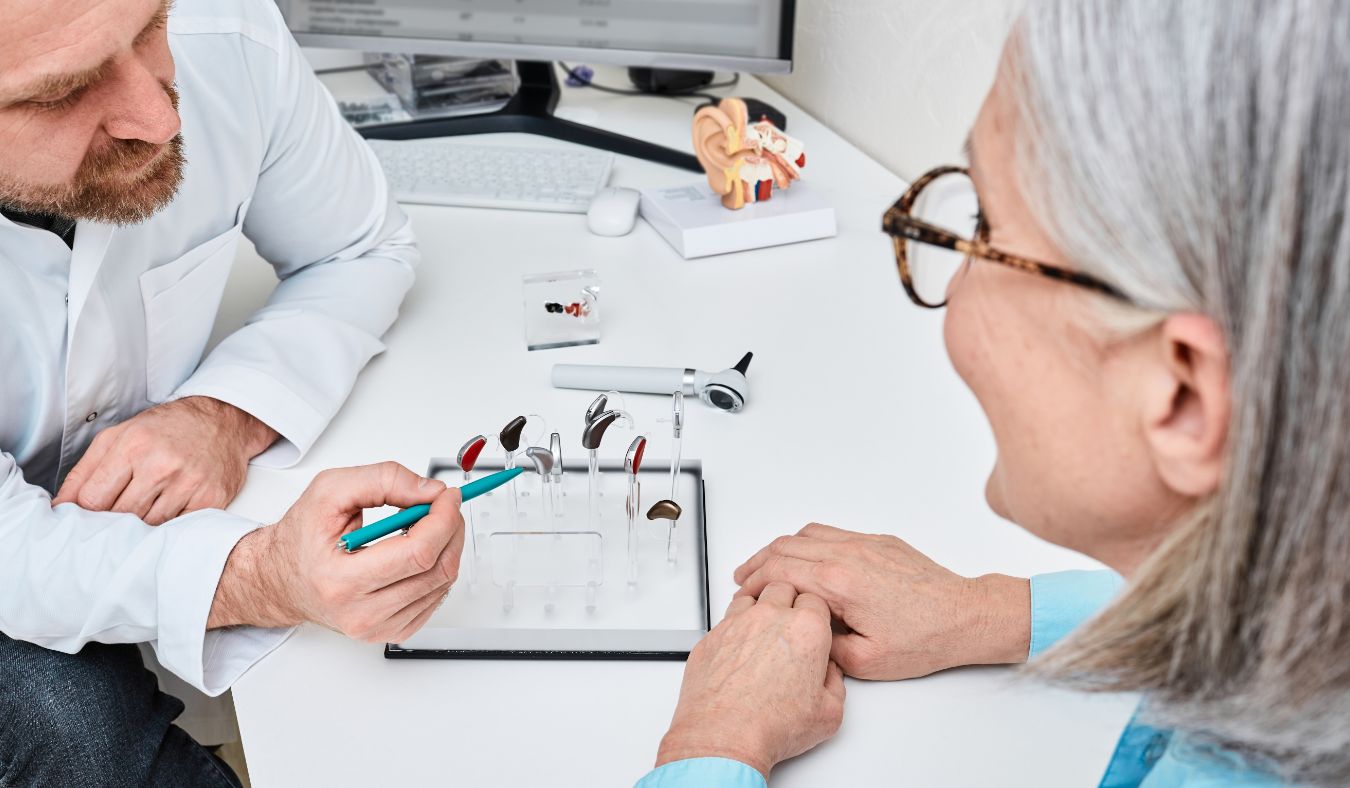
During an audiology services appointment, your practitioner may recommend hearing aids, but they will use the information they’ve gleaned from your exam to guide them toward the best hearing aids for your ears. They will take into account factors like the shape of your ear canal, how you process speech, places you frequent, and technology that you feel comfortable using.
They may also measure sound levels in your ear, using a technique called real-ear verification. The process helps them to ensure that your devices are fine-tuned to your exact prescription. You can think of it as the difference between glasses made especially for your eyes, versus a pair of magnifiers on the drugstore rack.
Hearing loss rarely occurs all at once (especially without trauma to the ear). For most people, it’s a slow decline over the course of several years. While the decline may give you time to adjust, it also means that people often wait years before they seek help. Our brains learn quickly to compensate without realizing it, and the changes are subtle. But early evaluation and intervention offer some hard-to-ignore advantages.
First of all, the brain adjusts better when changes are caught early. When hearing loss is untreated for long periods, auditory pathways become less efficient. The result is that speech sounds less clear, even when it’s amplified. By seeking early care, you’ll maintain those pathways by giving your brain access to clear, meaningful sound.
Secondly, early intervention lets you track and discover changes in your hearing health over time. Establishing a baseline through a simple “audiology services near me” search, or by scheduling with a trusted provider you know, means that when and if your hearing changes, your audiologist will be able to compare it with previous readings. The data can guide treatment decisions and help your audiologist further personalize hearing care tailored for you.
Finally, early intervention protects your emotional and mental health. Many people experience emotional stress, and even sadness or frustration, when communication becomes difficult. These frustrations can cause you to be less social, more withdrawn, and quieter.
Studies have underscored the critical nature of staying socially engaged in your later years. It’s a vital part of healthy aging that can contribute to wellness and longevity. Protecting your hearing helps you protect your social connections and stay in the game.
So what about hearing aids? Are they always the answer? First, if you’re feeling hesitant about hearing aids, there are many reasons to reconsider.
Many people think that hearing aids today are similar to those from decades ago—big, awkward, whistling, and uncomfortable. Today’s technology has very little resemblance to those older models. Today’s hearing aids are sleek, discreet, technologically advanced and often rechargeable.
These advances in technology help hearing aids automatically adjust to sound. Some hearing devices can integrate with your smartphone, tablet, or television. Many devices can counteract tinnitus too. Features like directional microphones can reduce background noise, making speech crystal clear.
Many people experience tinnitus—a ringing, buzzing, or humming in the ears. It can be very frustrating, but often tinnitus improves when the other underlying hearing issues are addressed. Your audiologist’s assessment can help pinpoint the cause of the sound and offer you strategies like sound therapy, counseling, and adjustments to your hearing technology.
But all the technology doesn’t mean a thing if hearing aids aren’t comfortable and easy to wear. One of the most important parts of audiology and hearing aid services is the professional fitting. Your hearing aids will be programmed based on your evaluation and verified with measurements to your ears. The sound you receive through these devices is accurate and, most importantly, very comfortable.
Many of our patients who receive professional fittings describe the experience as surprisingly emotional. They may hear birds again, notice the softness of a loved one’s voice, or regain their confidence in group conversations. Often, they feel energized, less exhausted, and like life is closer again.
When you search for hearing care services or audiology services, you may think of hearing loss. The truth is that an audiology visit can be an important step toward wellness for many people with different needs. By helping you understand the complete picture of your ear health, you can address issues like balance difficulties, dizziness, and other ear issues.
If you’re considering audiology services, you might be looking for information, guidance, and even reassurance. Our hearing is deeply personal, and it takes trust to ask for help with something that impacts your communication and connection.
At Anne Arundel Audiology, we focus on meeting patients exactly where they are on their hearing journey. That might mean they’re ready for hearing aids, curious about tinnitus, or seeking a baseline test for peace of mind. Audiology care is relationship-based. Appointments aren’t rushed, questions are welcome, and treatment plans are specially tailored to your hearing goals.
Better hearing isn’t just about hearing more or increasing the volume. Good hearing health helps you feel more confident, present, and connected. Instead of feeling like you’re on the outskirts of conversation, you’ll feel like part of the discussion.
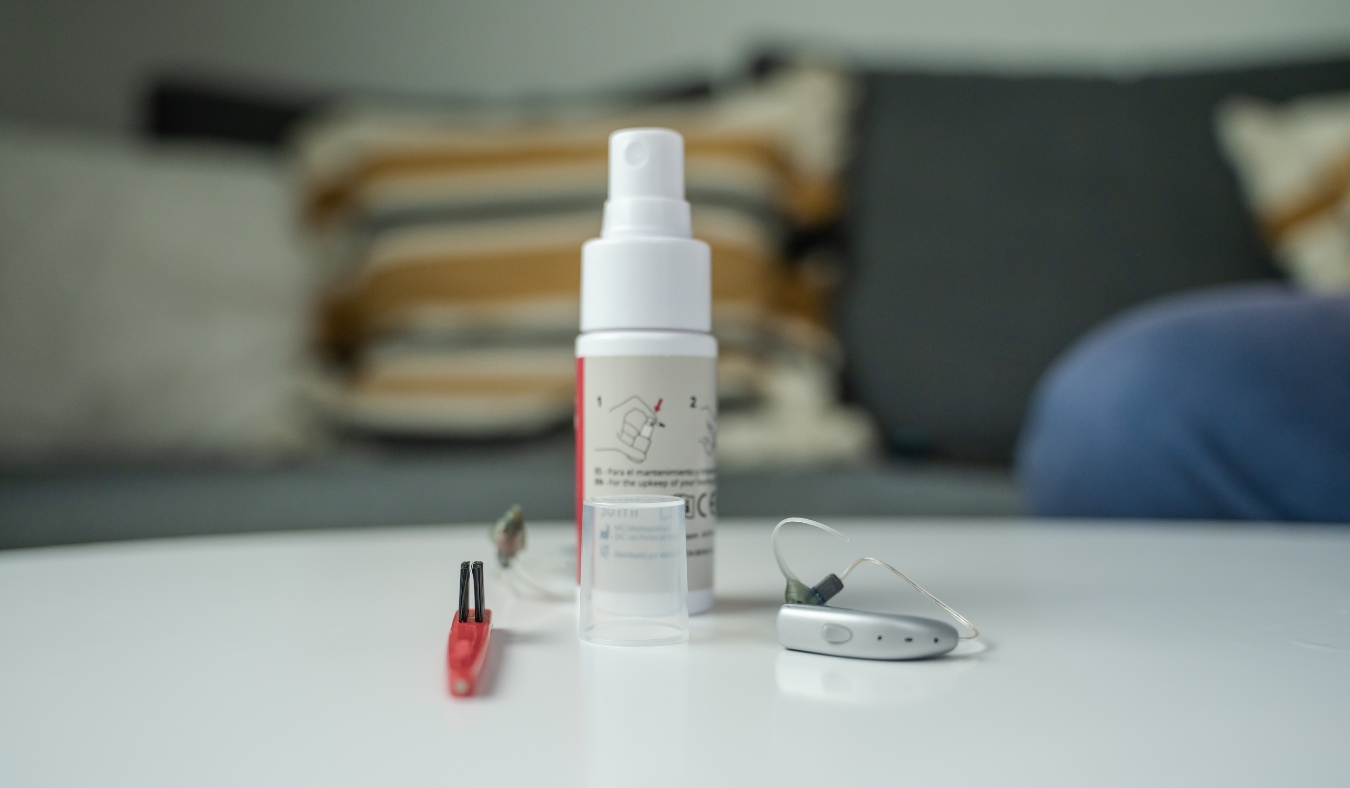
Hearing needs change, so professional hearing care services include many offerings, such as follow-up visits, cleanings, hearing aid adjustments, and yearly hearing evaluations.
Hearing well and aging well go hand in hand. Hearing health supports emotional well-being, social engagement, cognitive health, and independence as you age. We’ve designed our audiology services with your bigger picture in mind and support that adapts to your changing needs.
If you’re ready to take a proactive step toward long-term wellness, there’s no better time to reach out for audiology services.
Today’s hearing aids are sophisticated electronic devices, made to
By: admin | April 1, 2026
Hearing changes often happen in tiny increments. So small that you might
By: admin | January 23, 2026

When you notice changes in your hearing, one of the first questions that
By: admin | January 19, 2026