
How to Protect Your Hearing Aids from Humidity, Moisture, Sweat, Rain, and Summer Heat
Anyone who’s spent a late-summer afternoon near the Chesapeake knows the

By: Dr. Britney Ometz | July 29, 2026
Anyone who’s spent a late-summer afternoon near the Chesapeake knows the feeling of humidity. You step outside for a moment, and the air wraps itself around you like a warm, wet towel. Maryland summers are famous for it. While you may manage the heat with sunscreen, cold drinks, and a shady spot on the porch, there’s something else you should keep on your summer checklist…protecting your hearing aids.
Hearing aids are remarkable little machines, but they’re also remarkably sensitive. Those same July, August, and September conditions that feel like a steam bath can also be damaging the electronics that keep you connected to the wonderful sounds of summer. Don’t miss out on conversations, music, birdsong, and joyous laughter. Keep your hearing aids safe all season!
Key Takeaways
If hearing aids have one weakness, it’s moisture.
Inside that small shell of your hearing aid is a microphone, a receiver, an amplifier, and a whole network of precision circuitry. The components are specially engineered to process sound in real time, all day long, everywhere you go.
Water, in any form, is the natural enemy of your hearing aids, and getting them wet doesn’t just mean dropping your devices in the sink (or pool). Humid air, perspiration, and condensation all count too. Fortunately, there are a handful of easy habits you can adopt to make sure your hearing aids stay in excellent working order.
When hearing aids get moisture damage, it causes:
The truth is you don’t need to get caught in a thunderstorm or submerge your devices in water for these issues to occur. On a humid Maryland day, moisture from the air itself will accumulate inside your hearing aids. This is especially an issue when you move between the comfort of air conditioning and the heat outdoors. Just the way your glasses fog up from condensation will also accumulate moisture on your hearing aids.
Most modern hearing aids give you at least some level of water protection, but it’s critical to know that they are water-resistant, not waterproof. They have some resistance to sweat, humidity, or a light drizzle, but not immunity. Think of it like a raincoat—great to protect you in a rain shower, but it won’t keep you dry in a swimming pool.
We’re giving water and humidity most of the attention, but heat is another element to consider. It’s humidity’s quiet accomplice.
Hearing aids are made from durable, medical-grade materials. They’ve been designed especially for the temperature of the human body…but not the temperature of a parked car in July (which can climb beyond 130 degrees in under an hour)!
Prolonged heat exposure to your hearing aids can:
The most common heat exposure mistakes are the everyday ones that get overlooked. Leaving your hearing aids on the car dashboard, cup holder, sunny windowsill, next to the stove, or in your beach bag in direct sun can cause damage.
Even if your devices survive the heat, they’re still likely to come away compromised. A warped seal doesn’t show up to the eye, but every humid day, that moisture does a little more damage.
A good rule to follow is this: If you wouldn’t leave a chocolate bar there, don’t leave your hearing aids there.
Summer activity adds one more factor: you.
Humans sweat. Perspiration is salty, and that salt further accelerates corrosion. Sweat can be a bit harsher on electronics compared to plain water, and your hearing aids are no exception.
That’s not to say you need to quit if you’re a gardener, walker, golfer, or pickleball devotee. You can still go all out and enjoy the summer fun, but it’s important to be aware that your hearing aids may just be absorbing more moisture on an active, hot day than most folks realize.
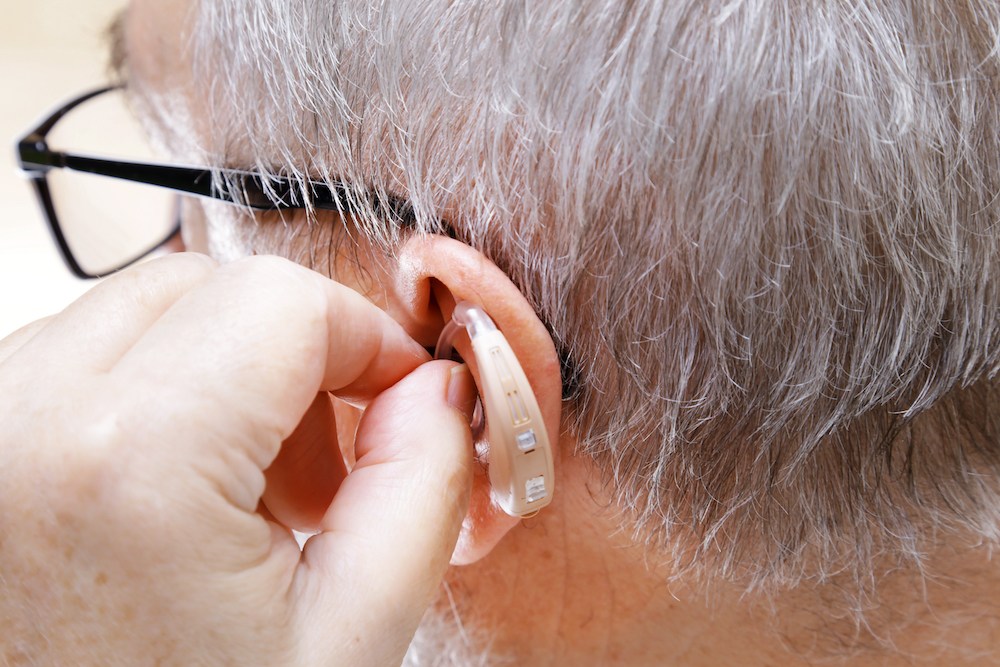
Protecting your hearing aids from sweat matters the most for BTE (behind-the-ear) and RIC (receiver-in-canal) styles. Their main components sit exactly where sweat runs—along the hairline and behind the ear. If you wear a RIC or BTE device, sweat protection should get a permanent priority spot in your summer routine.
There’s also a health angle here. When sweat and humidity are trapped in the ear canal around a hearing aid or earmold, the warm, damp environment can irritate skin. You may run into discomfort in the form of itching, tenderness, and, in some cases, outer ear infections like swimmer’s ear. Your ears need a chance to “breathe.”
While awareness is important, it doesn’t mean you have to stay hidden indoors until October or November. Protecting your hearing aids comes down to getting used to a few small habits in your daily routine.
A hearing aid dehumidifier (also known as a drying kit or “dryer”) is one of your best investments for hearing aid moisture protection. Electronic dryers rely on gentle heat and airflow to “pull out” the day’s accumulated moisture overnight. Some models also include a UV cleaning cycle.
No dryer? Simple desiccant jars can also work (but check with your ear care professional to ensure your model is compatible). Whatever style of hearing aid drying you select, make it part of your nightly routine all summer. Your hearing aids collect moisture every single day (even if you haven’t noticed).
If you aren’t sure what type of dryer suits your devices, just ask at your next visit. We’re happy to point you to one that fits your needs and your budget.
Storing your hearing aids during off hours is just as important as cleaning them, but the optimal location might surprise you.
The best spot to put your hearing aids to bed is in a protective case in a cool bedroom or on a hallway shelf. The right overnight storage location is critical.
Enjoying summer sports and activities? Whether you’re going for a jog, playing golf, or digging in the garden, protect your hearing aids. Protective soft sleeves slip over BTE and RIC devices. These add an affordable layer of sweat protection you can find online.
Consider wearing a moisture-wicking headband too. Keep a towel nearby to dry your hands before handling your devices and transferring sweat and dirt.
When you finish your activities, take your hearing aids out for a few minutes. Let your ears air dry and wipe the devices off with a soft cloth. Be sure to pop them in the dryer that evening when you go to bed.
Caught in the rain? A light drizzle won’t hurt a water-resistant device, but don’t push your luck. Try to remember a hat, hood, or umbrella to protect your devices during a quick dash. In a true downpour, tuck your hearing aids in their case until you’re indoors. If they get rained on, dry them with a soft cloth right away and give them a night’s rest in the dehumidifier.
Never, ever use other devices to dry your hearing aids—for example, a hair dryer. It goes without saying that a microwave is also never the appropriate answer and will cause much more damage to your devices than the rain did.
Going swimming? The best way to protect hearing aids while swimming is simple: don’t wear them in the water. Always remember to remove your hearing aids before a day at the pool, a quick shower, or a dip in the Bay. Take them off and store them in a protective case, somewhere shaded and dry (in other words—not a towel on the pool deck).
When you’re done with the water, make sure your ears are completely dry before putting your devices back in. Trapping water in your ear canal can cause just as many issues as water on the electronics.
In the evening, when you remove your hearing aids, wipe them off with a soft, dry cloth. Check the microphone ports and wax guards for buildup and use the little brush from your cleaning kit to remove any debris. Never use water, alcohol, or household cleaners on the devices themselves. Then store them properly for the night.
Thirty seconds a day of hearing aid care is all you need to prevent the vast majority of preventable repairs we see.
Even with great hearing aid habits, sometimes summer wins a round against you. Reach out to your audiologist if you notice:
Most hearing aid moisture problems are fixable when they’re caught early on. Professional cleaning and inspection are often just what you need to restore performance well before a small issue escalates into a big repair bill. It’s also important because if there’s an ear health issue brewing, we can catch that right away too.
Your hearing aids work hard for you every day. They help you through cookouts, grandkids’ ballgames, concerts on the lawn, and every humid Maryland afternoon in between. They are an investment in staying connected to the people and sounds of summer you love. With a few small habits, you can protect your investment for years.
Dry your hearing aids nightly. Store them properly. Wipe them down daily. When something seems amiss, don’t wait it out—contact us right away.
At Anne Arundel Audiology, we’re happy to check your devices, demonstrate drying kits and protective covers, and help you build a hearing aid maintenance routine that fits with your busy life.
Schedule an appointment today and enjoy every sound of the season!
Tags: hearing aid moisture protection, Protect your hearing aids
Anyone who’s spent a late-summer afternoon near the Chesapeake knows the
By: Dr. Britney Ometz | July 29, 2026
Anyone who’s flown out of BWI knows the drill. Gate changes mumbled
By: Dr. Britney Ometz | July 26, 2026

People often associate hydration with things like thirst, headaches or dry
By: Dr. Britney Ometz | June 25, 2026