 Get Financing with Cherry
Hearing Aid Styles
Every Major Hearing Aid Style, Matched to You
Anne Arundel Audiology fits every major hearing aid style in Glen Burnie, MD, from invisible in-canal devices to powerful behind-the-ear systems and the receiver-in-canal models most patients end up wearing. Because Dr. Britney Ometz, Au.D. carries seven manufacturers and holds no exclusive contract, your style follows your audiogram, your ear canal anatomy, your dexterity, and your budget. She walks through the trade-offs of each one.
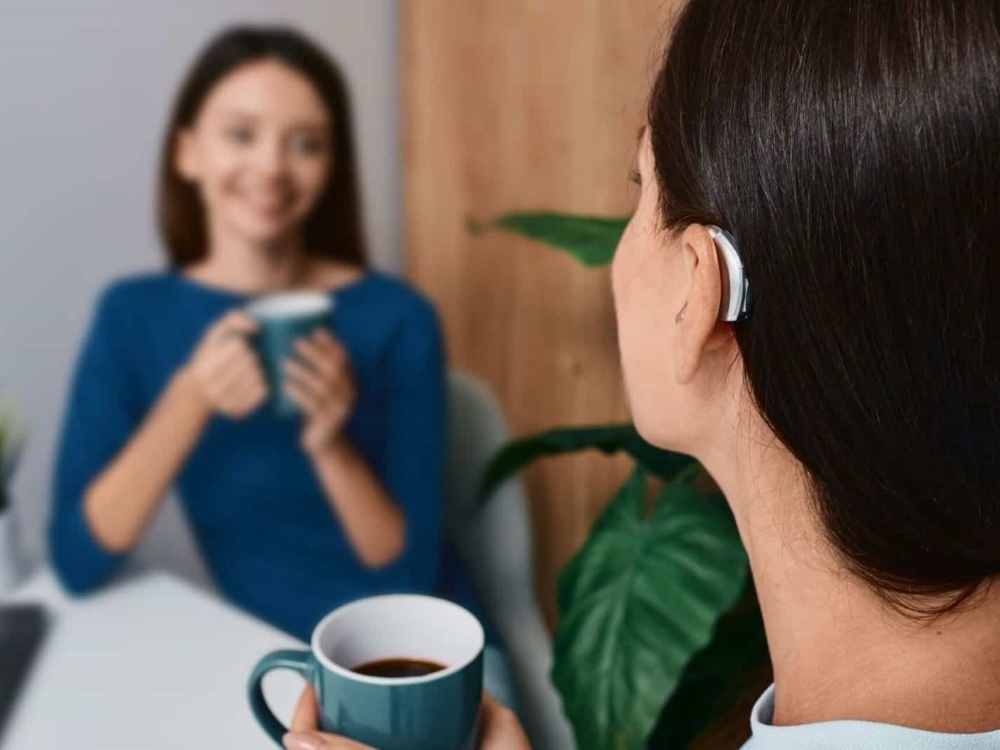
Which Style Fits Your Hearing Loss and Lifestyle
Style depends on how much amplification your loss needs, the shape of your ear canal, how easily you handle small objects, and how visible you want the device to be. Dr. Ometz sorts through that with you before anything is ordered.
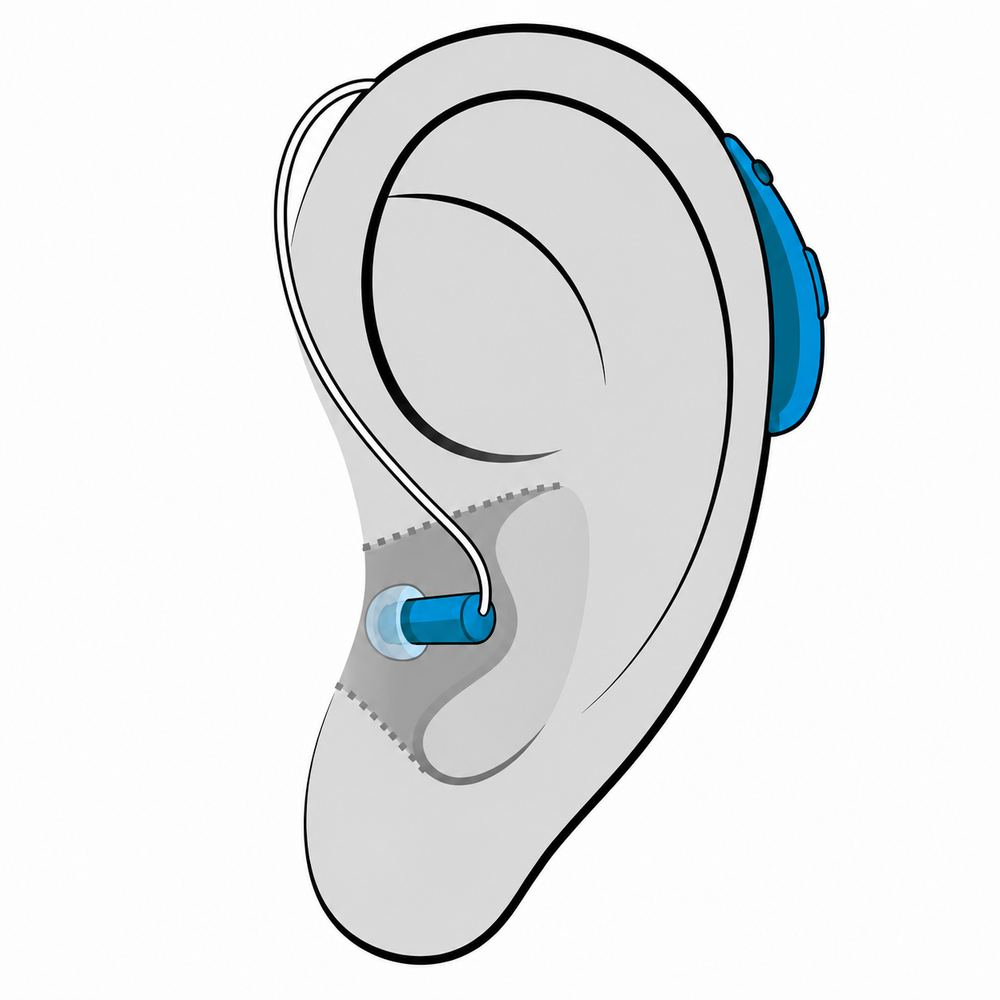
Receiver-in-Canal (RIC)
The most popular hearing aid style today. A small housing sits behind the ear and sends sound through a thin wire to a speaker placed in the ear canal. RIC devices are lightweight, discreet, and offer excellent sound quality with Bluetooth streaming and rechargeable battery options, and they suit mild to severe hearing loss. Their comfortable, low-profile design makes RIC a go-to choice for active patients who want both performance and discretion.
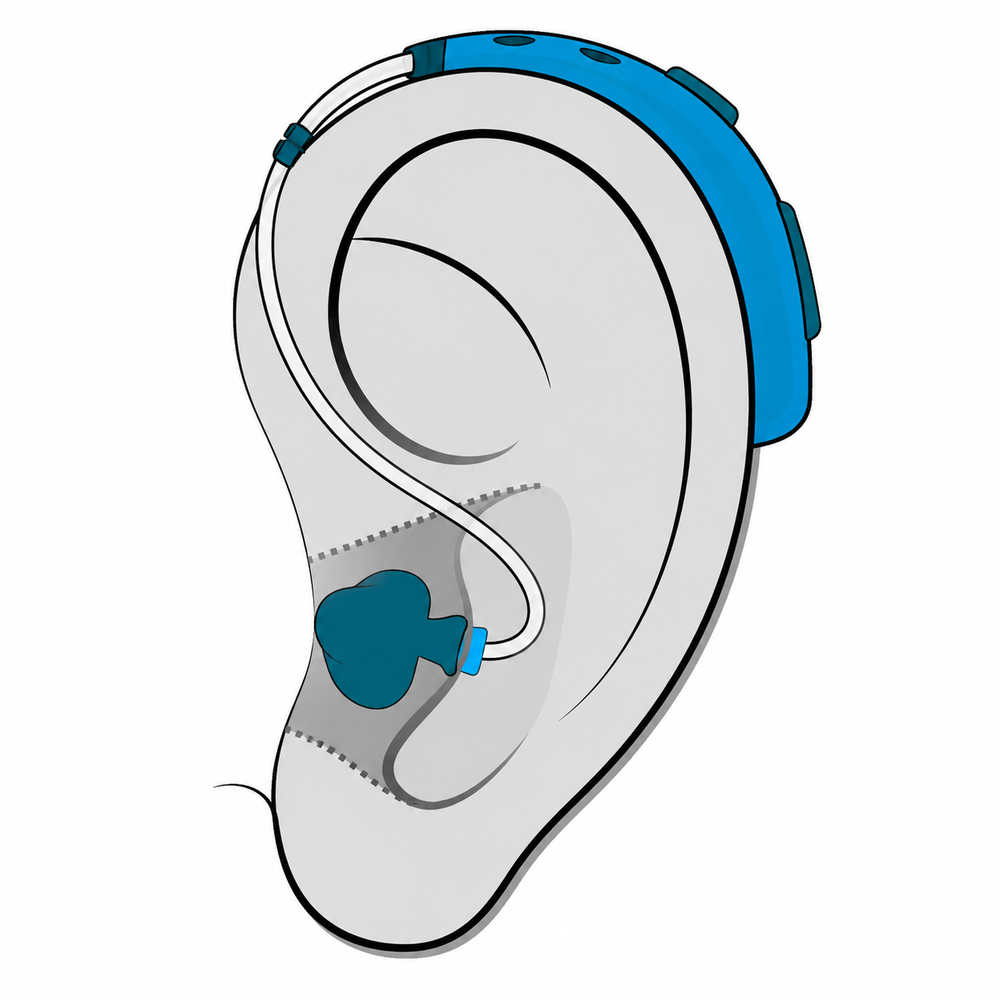
Behind-the-Ear (BTE)
The most powerful hearing aid style. The housing sits behind the ear and delivers sound through a tube to a custom earmold or dome. BTE devices offer the longest battery life, the most amplification, and accommodate advanced features including Bluetooth streaming. That makes them a strong fit for moderate-to-profound hearing loss and an easy-to-handle option for patients who prefer a larger, more durable device.
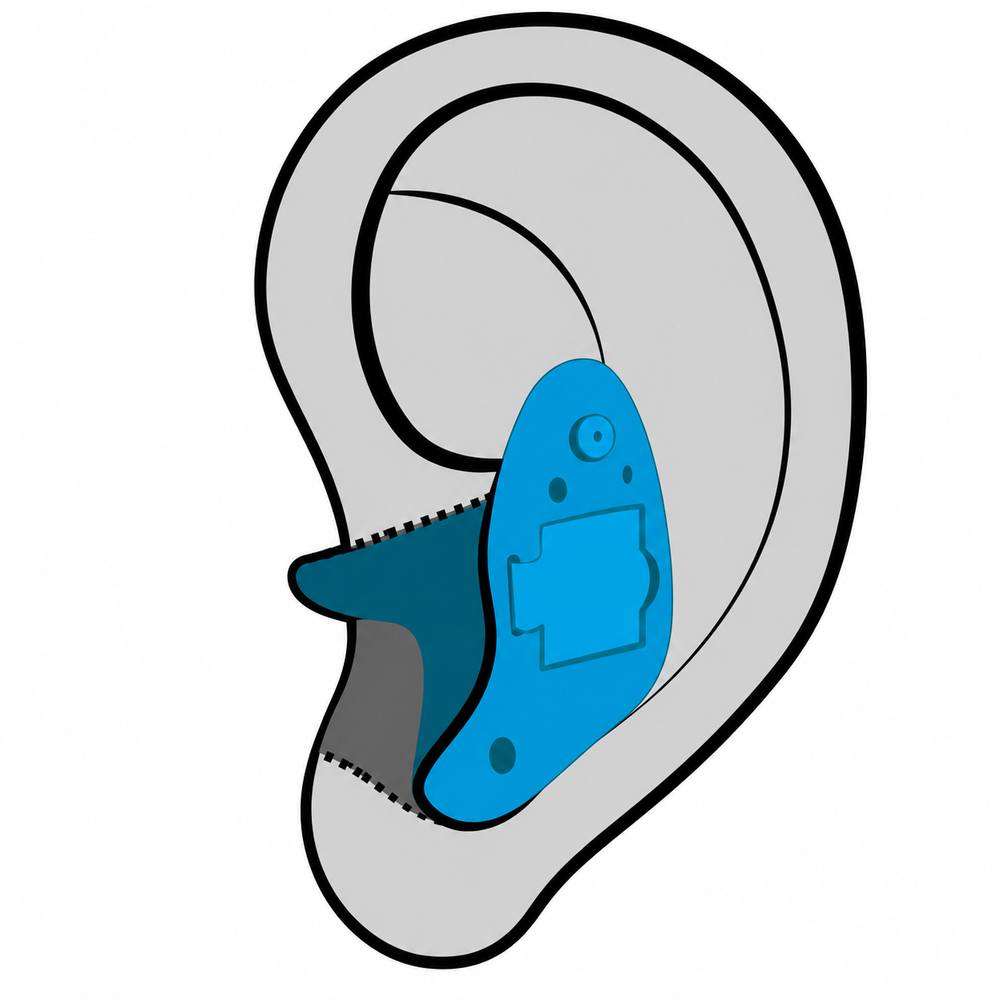
In-the-Ear (ITE)
Custom-molded to fill the outer ear bowl, ITE hearing aids suit mild to severe hearing loss. Their larger shell is easier to handle and insert (a practical advantage with arthritis or reduced dexterity), and they can include volume controls, directional microphones, wireless connectivity, and rechargeable battery options.
In-the-Canal (ITC)
Custom-fit to sit partially inside the ear canal, ITC hearing aids are smaller and more discreet than ITE models while still accommodating directional microphones and wireless features. They work well for mild to moderate hearing loss and are a popular choice for patients who want a low-profile device without sacrificing connectivity or manual controls.
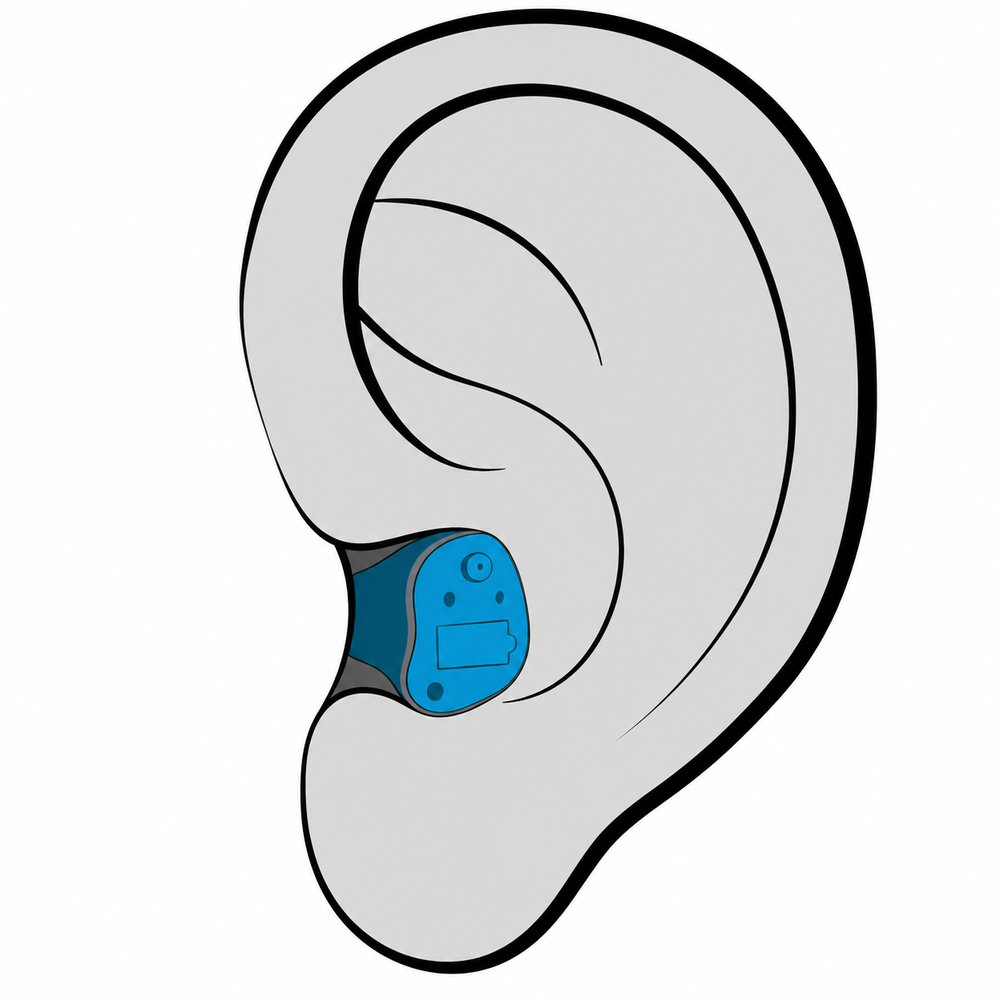
Completely-in-Canal (CIC)
Fitting entirely inside the ear canal, CIC hearing aids are very discreet with only a small removal handle visible at the opening. They're a popular choice for mild to moderate hearing loss when cosmetic appearance is the priority. Their compact size limits some advanced features, but many CIC models from leading manufacturers still support Bluetooth connectivity.
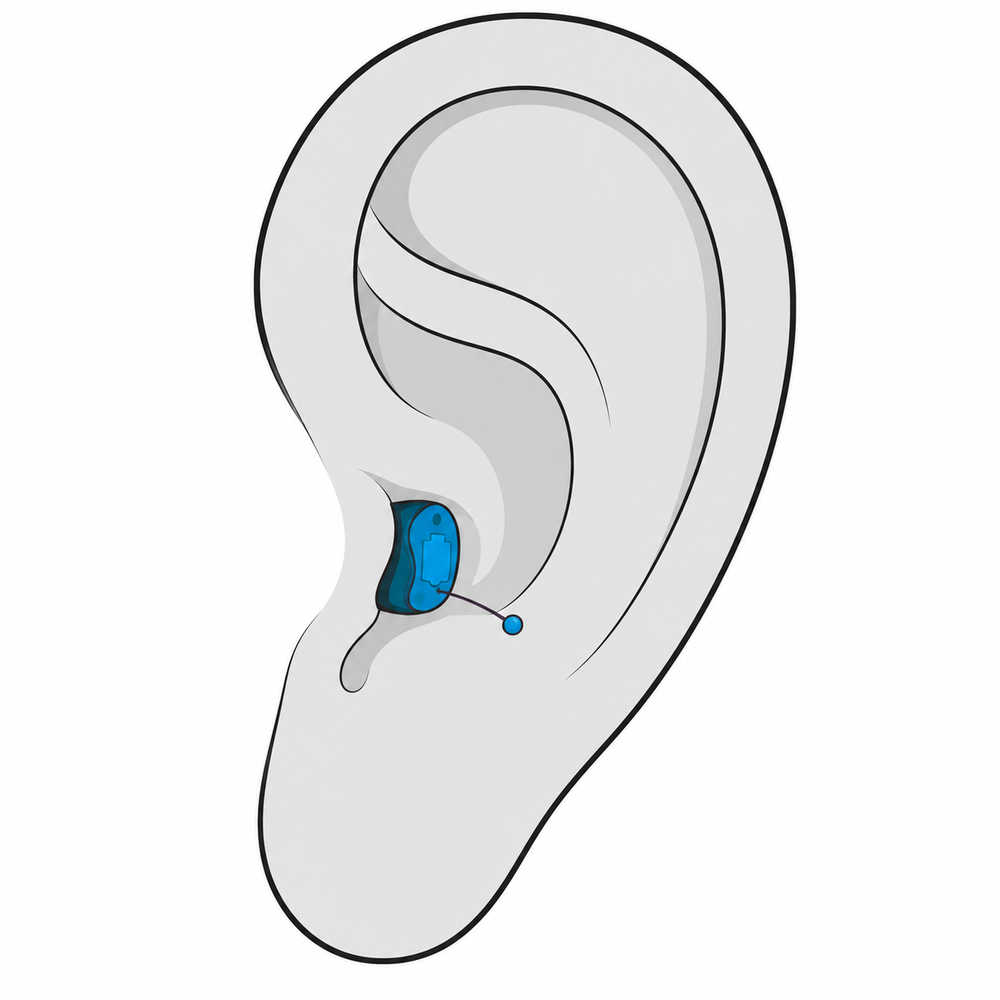
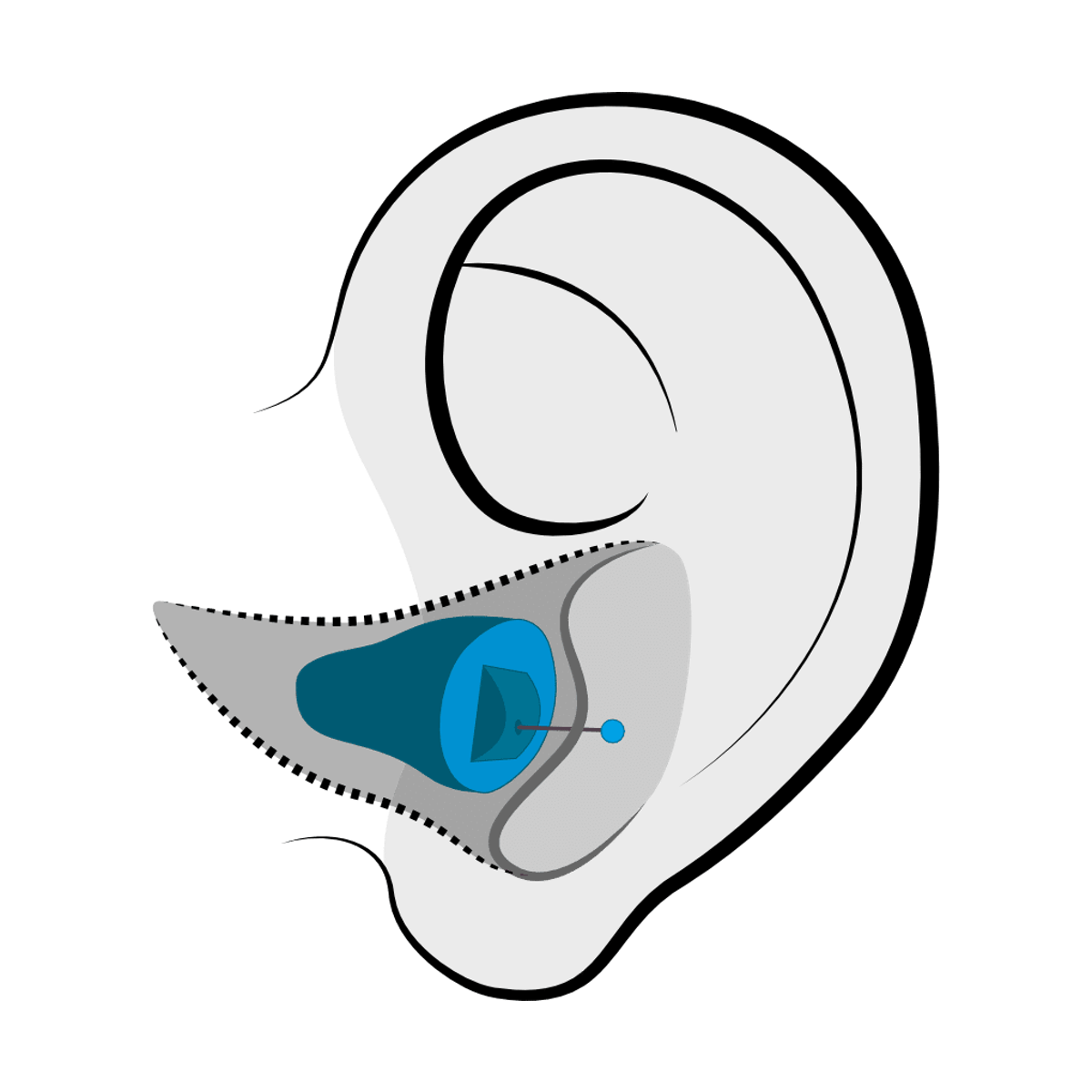
Invisible-in-Canal (IIC)
The smallest hearing aid available, IIC devices sit deep inside the ear canal and are virtually invisible to others. Best suited for mild to moderate hearing loss, they're removed daily with a small pull string. Candidacy depends on ear canal anatomy, so Dr. Ometz confirms fit during your evaluation. If maximum discretion is your top priority, this is the style to explore.
Take 45 Days to Be Sure
Every set of hearing aids fitted at Anne Arundel Audiology comes with a 45-day trial period. Wear your devices where life actually happens — at work, around the dinner table, and out across Glen Burnie. Real-world listening is the only test that counts. If they aren't right for you, return them within 45 days and the cost of the devices is refunded; the professional services already provided are billed as a service fee.
It Is Never Too Soon to Start Hearing Better
Glen Burnie patients rate Dr. Ometz 5.0 stars across 197 reviews for unhurried, doctor-led care built around your hearing goals.
Serving Glen Burnie & Northern Anne Arundel County
Visit Us in Glen Burnie
You will find us in Suite 509 of Crain Towers on Crain Highway, next door to Crab Town USA and around the corner from UM Baltimore Washington Medical Center.
- 410-766-6320
- Fax: 410-755-8766
- [email protected]
- Doctor-owned, women-owned hearing clinic
- Every visit with Dr. Britney Ometz, Au.D.
- Real Ear Measurement verification on every fitting
- All major insurances accepted, including Medicare
- Wheelchair accessible entrance and parking
“Dr Ometz had a very welcoming personality to this second time patient. I saw her for the utilization of a new device to remove excess wax from my ears...I wouldn’t hesitate to recommend her for an audiology evaluation and hearing aid devices if needed.”— Don T., Verified Google Review
Anne Arundel Audiology
Hearing Clinic1600 Crain Hwy S., Suite 509, Glen Burnie, MD 21061
| Monday | 9:00 AM - 5:00 PM |
| Tuesday | 9:00 AM - 5:00 PM |
| Wednesday | 9:00 AM - 5:00 PM |
| Thursday | 9:00 AM - 5:00 PM |
| Friday | 9:00 AM - 12:00 PM |
| Saturday | Closed |
| Sunday | Closed |
Hearing Aid Style FAQs
Questions we hear about hearing aid styles in Glen Burnie: which sit deepest in the canal, where rechargeable batteries are available, how CROS and BiCROS work, and how Dr. Ometz narrows it down.
Invisible-in-canal (IIC) and completely-in-canal (CIC) devices sit the deepest. Both are custom-made to your canal and show nothing from the outside but a small removal handle at the opening, which is why patients who want to keep the whole thing private tend to start here.
The trade-off is physical room. A housing that small leaves little space for directional microphones or strong noise reduction, and the tiny batteries need changing more often. IIC and CIC suit mild to moderate loss. ITC and ITE styles sit higher in the canal and ear bowl, handle more amplification for a steeper loss, and are easier to pick up if your fingers are stiff. Dr. Ometz checks your canal anatomy before confirming candidacy for the deepest styles.
Rechargeable options cover most RIC, BTE, and ITE models across the seven manufacturers we carry, and ITC is starting to catch up as cells get smaller. CIC and IIC housings are still too small to hold a rechargeable battery, so those styles run on disposable zinc-air cells.
If dexterity is the issue, or you travel often, or you would rather drop both aids on a charger at bedtime than deal with tabs and doors, a rechargeable RIC is usually the practical answer. Dr. Ometz lays out the battery trade-offs for whichever styles your audiogram supports, and you can handle the chargers yourself at the Glen Burnie office. Call 410-766-6320 to set up a consultation.
CROS stands for contralateral routing of signal, and it is built for hearing on one side only. A microphone worn on the unaidable ear picks up sound and sends it wirelessly to a receiver on your better ear, so conversation from your weak side stops disappearing at restaurant tables and in the car.
BiCROS does the same thing while also amplifying the better ear when that ear has some loss of its own. Several of the manufacturers carried here build CROS and BiCROS compatible models. If you have been told one ear cannot be helped, that is worth a second opinion. Call 410-766-6320 and ask about candidacy.
Style is a clinical call here, not a showroom pitch. Dr. Ometz reads your audiogram to establish how much amplification each ear needs, then works through where listening actually breaks down for you, how much finger dexterity you have, how visible you are willing to let the device be, and what you can spend.
Seven manufacturers sit on the shelf and no exclusive contract sits behind any of them, so the shortlist reflects your ears rather than a supplier target. Whatever you choose is then fit and verified with Real Ear Measurement, which is how you know the style performs and not just looks right. Details on the appointment itself are on our hearing aid fitting page.